
ERP Saudi Arabia and Software Companies in Saudi Arabia: How to Choose the Right Business System?
ERP Saudi Arabia and Software Companies in Saudi Arabia: How to Choose the Right Business System?
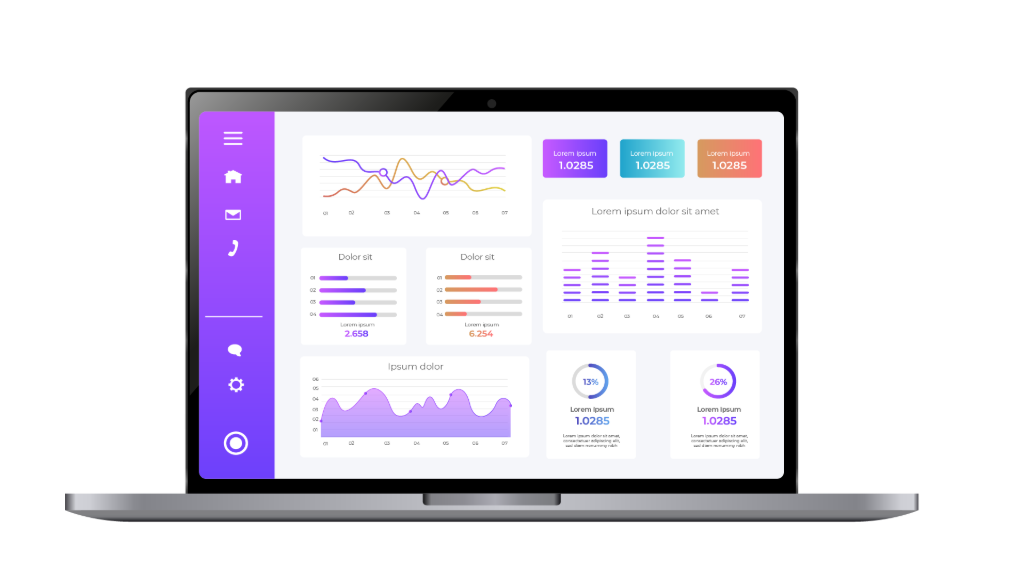
The demand for ERP Saudi Arabia solutions is growing as companies across the Kingdom look for better ways to connect finance, ntscompany sales, inventory, purchasing, human resources, projects, manufacturing, and customer operations. At the same time, businesses are comparing different software companies in Saudi Arabia to find technology providers that understand local requirements and can implement systems that support long-term growth. Choosing the right ERP is not only about software features. Companies should evaluate business processes, integration needs, compliance requirements, scalability, implementation methodology, user training, and post-launch support before making a decision.
What Is an ERP System?
An Enterprise Resource Planning system is a centralized software platform that connects different business departments through shared data and integrated workflows.
Instead of using separate applications for accounting, sales, inventory, purchasing, and HR, ERP software allows these functions to work together.
For example, a confirmed sales order can affect inventory availability, generate delivery requirements, create financial transactions, and update customer information within the same system.
This integration reduces duplicate data entry and gives managers a clearer view of business performance.
Why Are ERP Systems Important in Saudi Arabia?
Companies operating in Saudi Arabia are becoming more digitally connected, while management teams increasingly require real-time information about costs, inventory, sales, cash flow, projects, and employees.
A modern ERP system in Saudi Arabia can help organize this information through one platform and provide dashboards and reports that support faster decision-making.
ERP systems can also help businesses standardize processes between branches, warehouses, factories, and departments, which becomes increasingly important as an organization grows.
What Do Software Companies in Saudi Arabia Offer?
Modern software companies in Saudi Arabia provide a wide range of business technology services, including ERP implementation, custom software development, mobile applications, CRM systems, accounting solutions, HR platforms, cloud services, system integrations, and business intelligence.
Some providers specialize in specific sectors such as manufacturing, construction, retail, healthcare, logistics, or professional services.
Selecting a software company with experience in the company’s industry can make implementation easier because the provider already understands common operational workflows and challenges.
ERP Accounting and Financial Management
Accounting is one of the core components of most ERP platforms.
An ERP accounting system can manage customer invoices, supplier bills, journals, payments, bank transactions, expenses, budgets, and financial reports.
Because accounting is connected with sales, purchasing, inventory, and other modules, transactions generated by different departments can flow automatically into financial records according to system configuration.
This reduces manual entry and provides management with more consistent financial information.
ERP and Saudi Tax Requirements
Companies evaluating ERP Saudi Arabia solutions should consider local regulatory and tax requirements as part of system selection.
The ERP may need to support VAT processes, electronic invoicing requirements, and integrations or configurations relevant to ZATCA regulations, depending on the company’s activities and obligations.
Businesses should verify that the selected ERP version and implementation approach support current requirements and should avoid assuming compliance based only on marketing claims.
Sales and CRM Management
ERP platforms often include or integrate with CRM software that helps businesses manage leads, opportunities, customer interactions, quotations, and sales orders.
Connecting CRM with accounting and inventory provides sales teams with better visibility into customer balances, product availability, and order history.
Management can also monitor sales pipelines, conversion rates, and revenue performance through centralized reports.
Inventory and Warehouse Management
Companies that sell or distribute physical products need accurate information about available stock.
An ERP inventory management system can track receipts, deliveries, internal transfers, stock levels, warehouse locations, and product movements.
Depending on the platform, businesses may also use barcode scanning, lot tracking, serial numbers, replenishment rules, and multi-warehouse management.
This gives purchasing, sales, warehouse, and management teams access to the same inventory information.
Procurement and Supplier Management
Purchasing departments need to coordinate supplier quotations, purchase requests, approvals, orders, receipts, and payments.
An integrated procurement management system can connect purchasing with inventory requirements and accounting.
This allows businesses to understand what has been ordered, what has arrived, what remains outstanding, and how purchasing commitments affect cash flow and operational requirements.
Manufacturing ERP in Saudi Arabia
Manufacturing companies often need additional functions such as bills of materials, production orders, work centers, raw material consumption, quality control, maintenance, and production costing.
A manufacturing ERP system in Saudi Arabia can connect factory operations with inventory, purchasing, sales, and finance.
This gives manufacturers better visibility into material requirements, production progress, finished goods, and actual manufacturing costs.
ERP for Construction Companies
Construction businesses may require project budgets, BOQ management, subcontractor tracking, procurement, material control, project billing, and document management.
An ERP for construction companies can connect operational project data with accounting and procurement, allowing management to compare actual project costs against budgets.
This is especially useful for contractors managing multiple sites and subcontractors at the same time.
Human Resources and Payroll Systems
Many ERP platforms include HR functions such as employee records, attendance, leave management, recruitment, expenses, appraisals, and payroll.
A centralized HR management system can help businesses maintain employee information in one place and connect workforce data with other operational processes where appropriate.
Saudi companies should also ensure that any payroll or HR configuration reflects their actual internal policies and applicable local requirements.
Cloud ERP in Saudi Arabia
Businesses increasingly consider cloud ERP Saudi Arabia solutions because they can provide access to business information across offices, branches, and remote locations.
Cloud platforms may reduce the need for organizations to maintain some infrastructure internally, depending on the solution and deployment model.
However, companies should evaluate cybersecurity, access controls, backups, system availability, data governance, and regulatory requirements before selecting a cloud environment.
Custom ERP Development
Not every company can operate entirely through standard software features.
Some businesses need specialized workflows, integrations, approval processes, reports, dashboards, or industry-specific modules.
Experienced software companies in Saudi Arabia can provide custom ERP development or extend existing platforms to support these requirements.
However, customization should be controlled carefully. Excessive custom development can increase cost and make future upgrades more difficult.
ERP Integration With Other Systems
A business may already use external platforms for eCommerce, payment processing, logistics, banking, business intelligence, or industry-specific operations.
ERP integration services allow these platforms to exchange information with the central business system.
A well-designed integration reduces duplicate entry and helps departments work with consistent data, while proper error handling and security controls help protect system reliability.
ERP Data Migration
Moving from an old accounting or business system to a new ERP often requires migration of customers, suppliers, products, opening balances, inventory quantities, and other operational data.
An experienced implementation team should clean and validate information before importing it.
ERP data migration should also be tested before go-live to ensure balances, stock quantities, and master records have been transferred accurately.
Business Intelligence and ERP Reporting
One of the main benefits of an ERP platform is the ability to turn operational data into management information.
ERP dashboards can provide visibility into sales, expenses, inventory, purchasing, project performance, cash flow, production, and other KPIs.
Connecting business intelligence tools with ERP data can also support deeper analysis and executive reporting.
How to Compare Software Companies in Saudi Arabia
When evaluating software companies in Saudi Arabia, businesses should look beyond the software demo and initial project price.
Important factors include industry experience, quality of consultants, implementation methodology, integration expertise, project management, user training, customization capabilities, cybersecurity, and post-implementation support.
Businesses should also ask for a clear project scope, implementation stages, responsibilities, data migration plan, testing process, and support model.
How to Choose an ERP Saudi Arabia Solution
Before choosing an ERP Saudi Arabia platform, companies should document their current processes and identify the problems they want the system to solve.
These may include disconnected spreadsheets, weak inventory visibility, manual approvals, slow financial reporting, duplicate data entry, or limited management information.
The right ERP should solve these operational problems while remaining scalable enough to support future growth.
ERP Saudi Arabia and Digital Transformation
The combination of a suitable ERP Saudi Arabia solution and experienced software companies in Saudi Arabia can help businesses create a more connected digital environment.
By integrating finance, CRM, sales, purchasing, inventory, HR, manufacturing, projects, and reporting, ERP software can provide management with a clearer view of the organization and reduce dependence on disconnected systems.
The strongest ERP projects are those built around real business requirements, implemented through a structured methodology, and supported by continuous improvement after go-live. For Saudi companies planning digital transformation, selecting the right platform and technology partner can create a stronger foundation for operational efficiency, data visibility, scalability, and sustainable business growth.